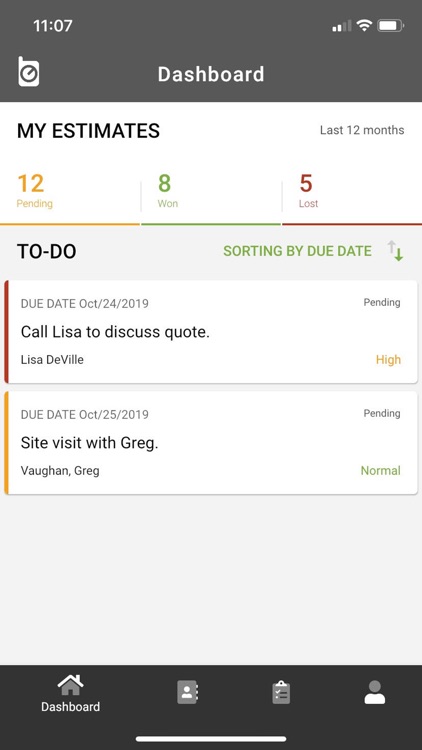
The Top CRM Software Solutions for the Service Industry
Welcome, service industry professionals! In today’s fast-paced world, keeping track of customer relationships is vital for business success. That’s why having the right Customer Relationship Management (CRM) software is crucial. Whether you’re in the hospitality, tourism, or healthcare sector, finding the top CRM software solutions tailored to the service industry can make all the difference. Let’s explore some of the best options available to streamline your customer interactions and enhance your overall business operations.
Top CRM Software Solutions for Service Businesses
Running a service-based business comes with its unique challenges such as managing customer relationships, scheduling appointments, and tracking service requests. An effective CRM software can streamline these processes and help you provide exceptional service to your clients. Here are some top CRM software solutions that are tailor-made for service businesses:
1. **Jobber:** Jobber is a popular CRM software solution designed specifically for service businesses such as landscaping, cleaning, and HVAC companies. It offers features like scheduling, invoicing, and quoting to help you manage your operations efficiently. With Jobber, you can easily track your team’s progress, assign tasks, and communicate with clients. The mobile app also allows you to manage your business on the go, ensuring that you stay organized and responsive to customer needs.
2. **ServiceTitan:** ServiceTitan is another CRM software solution that caters to service businesses in the home services industry. It provides end-to-end solutions for managing service calls, dispatching technicians, and invoicing customers. ServiceTitan also offers robust reporting and analytics tools to help you track key metrics and make data-driven decisions. With ServiceTitan, you can improve operational efficiency and deliver top-notch service to your clients.
3. **Housecall Pro:** Housecall Pro is a user-friendly CRM software solution that is ideal for small service businesses like plumbing, electrical, and painting companies. Its intuitive interface makes it easy to schedule appointments, send invoices, and communicate with customers. Housecall Pro also offers marketing automation tools to help you attract new clients and retain existing ones. By using Housecall Pro, you can streamline your workflow and focus on growing your business.
4. **Zendesk:** Zendesk is a versatile CRM software solution that can be tailored to meet the needs of service businesses across various industries. It offers a range of features such as ticketing, live chat, and knowledge base, to provide exceptional customer support. With Zendesk, you can centralize customer interactions, track communication history, and resolve issues quickly and efficiently. Whether you are in IT services, consulting, or healthcare, Zendesk can help you deliver a superior service experience to your clients.
5. **Mindbody:** Mindbody is a specialized CRM software solution for service businesses in the wellness and beauty industry. It offers tools for appointment scheduling, client management, and marketing automation to help you attract and retain customers. Mindbody also integrates with popular booking platforms and payment gateways, making it easy to manage your appointments and payments in one place. With Mindbody, you can streamline your operations and focus on providing a holistic customer experience.
Choose the CRM software solution that best fits your service business needs and start optimizing your operations today. With the right CRM tools, you can enhance customer satisfaction, improve efficiency, and drive growth for your business.
Key Features to Look for in CRM Systems for Service Industry
When it comes to selecting a CRM system for the service industry, there are several key features that you should consider to ensure the software meets the unique needs of your business. These features can help streamline processes, improve customer satisfaction, and ultimately increase your bottom line. Here are some of the important features to look for in a CRM system for the service industry:
1. Customer Contact Management: One of the most important features of a CRM system for the service industry is the ability to effectively manage customer contact information. This includes not only basic contact details such as names, phone numbers, and email addresses, but also details about past interactions, preferences, and purchase history. A good CRM system will allow you to easily access and update this information, giving you a comprehensive view of each customer and enabling you to provide personalized service.
2. Communication Tools: In the service industry, communication is key. Look for a CRM system that offers a variety of communication tools, such as email integration, SMS messaging, and social media integration. These tools can help you stay in touch with customers, send reminders and updates, and even track customer interactions across different channels. Having all of these communication tools in one place can save you time and improve customer satisfaction.
3. Workflow Automation: Efficiency is crucial in the service industry, and a CRM system with workflow automation capabilities can help streamline processes and reduce manual tasks. Look for a system that allows you to automate routine tasks such as scheduling appointments, sending follow-up emails, and generating reports. This can free up your team to focus on higher-value activities and ultimately improve productivity.
4. Integration with Other Systems: Your CRM system should be able to integrate seamlessly with other systems that you use in your business, such as accounting software, inventory management systems, and marketing automation platforms. This will ensure that information is shared across all systems, preventing data silos and enabling you to have a complete view of your operations. Integration can also help automate workflows and improve overall efficiency.
5. Analytics and Reporting: To make informed business decisions, you need access to real-time data and insights. Look for a CRM system that offers robust analytics and reporting capabilities, allowing you to track key performance indicators, measure the effectiveness of your campaigns, and identify areas for improvement. This data can help you optimize your operations, improve customer satisfaction, and drive growth.
When evaluating CRM systems for the service industry, consider these key features to ensure that the software meets the specific needs of your business. By choosing a CRM system that offers robust customer contact management, communication tools, workflow automation, integration with other systems, and analytics and reporting capabilities, you can streamline processes, improve customer satisfaction, and drive business growth.
Benefits of Implementing CRM in Service Sector
CRM software is a valuable tool for businesses in the service industry as it helps streamline operations, improve customer satisfaction, and boost overall efficiency. By implementing CRM software, service-based businesses can enhance their customer relationships and gain a competitive edge in the market.
1. Improved Customer Relationships
One of the key benefits of implementing CRM software in the service sector is the ability to improve customer relationships. CRM software allows businesses to centralize customer data, track interactions, and personalize communication with clients. By having a 360-degree view of customer information, service providers can better understand their clients’ needs and preferences, leading to more personalized and effective service delivery.
2. Enhanced Customer Satisfaction
Another advantage of using CRM software in the service industry is the ability to enhance customer satisfaction. With CRM tools, businesses can efficiently manage customer inquiries, track service requests, and resolve issues in a timely manner. This proactive approach to customer service can lead to higher levels of satisfaction and loyalty among clients, ultimately driving repeat business and referrals.
3. Increased Operational Efficiency and Productivity
CRM software can significantly improve operational efficiency and productivity in the service sector. By automating repetitive tasks, such as scheduling appointments, sending reminders, and logging customer interactions, businesses can save time and resources. This streamlined workflow allows employees to focus on more high-value tasks, such as providing quality service to clients, leading to increased productivity and profitability.
Moreover, CRM software also helps businesses track key performance metrics, such as response times, customer retention rates, and sales conversion rates. By having access to real-time data and analytics, service providers can make informed decisions to optimize their operations and improve overall business performance.
In conclusion, implementing CRM software in the service sector offers numerous benefits, including improved customer relationships, enhanced customer satisfaction, and increased operational efficiency. By leveraging CRM tools, service-based businesses can stay ahead of the competition, deliver exceptional service to clients, and drive growth and success in the industry.
How CRM Can Improve Customer Satisfaction in Service Industry
Customer Relationship Management (CRM) software is a valuable tool for businesses in the service industry to enhance customer satisfaction. By using CRM software effectively, service providers can streamline processes, personalize interactions, and anticipate customer needs. Here are four key ways in which CRM can improve customer satisfaction in the service industry:
1. Better Communication: CRM software allows service providers to centralize customer information, including past interactions, preferences, and purchase history. This data can be used to personalize communication with customers, providing a more tailored and engaging experience. By sending targeted messages and offers based on customer preferences, service providers can strengthen relationships and increase customer satisfaction.
2. Enhanced Customer Support: CRM software can help service providers track and resolve customer issues more efficiently. By recording customer inquiries, complaints, and feedback in a centralized system, service teams can collaborate effectively to address issues in a timely manner. Automated workflows and reminders can also ensure that no customer concern falls through the cracks, leading to improved customer support and higher satisfaction levels.
3. Improved Service Delivery: CRM software can help service providers optimize their processes and deliver services more effectively. By tracking service requests, appointments, and outcomes, service teams can identify trends and areas for improvement. This data can be used to streamline operations, allocate resources more efficiently, and ensure consistently high service quality. By meeting or exceeding customer expectations, service providers can enhance customer satisfaction and loyalty.
4. Proactive Customer Engagement: CRM software can empower service providers to anticipate customer needs and proactively reach out to enhance satisfaction. Through data analysis and predictive modeling, service teams can identify patterns and trends that indicate potential customer issues or opportunities. By reaching out to customers before they even realize they have a problem, service providers can demonstrate their commitment to customer care and build stronger relationships. This proactive approach can help service providers stand out in a competitive market and drive customer loyalty.
In conclusion, CRM software is a valuable tool for service providers looking to enhance customer satisfaction. By improving communication, customer support, service delivery, and proactive engagement, CRM software can help service providers build stronger relationships with customers and differentiate themselves in the marketplace. By investing in CRM software and leveraging its capabilities effectively, service providers can drive customer satisfaction, loyalty, and ultimately, business success.
Case Studies of Successful CRM Implementation in Service Businesses
Implementing a CRM software in a service industry can revolutionize the way a business operates, leading to increased efficiency, improved customer relationships, and ultimately, higher revenue. Let’s take a look at some case studies of successful CRM implementations in service businesses:
1. XYZ Consulting: XYZ Consulting, a leading consulting firm, implemented a CRM software to streamline their client management process. By centralizing client data, tracking interactions, and automating follow-ups, they were able to provide personalized service to each client. This resulted in increased client satisfaction, repeat business, and referrals, leading to a 20% increase in revenue within the first year of implementing the CRM system.
2. ABC Plumbing Services: ABC Plumbing Services, a family-owned plumbing business, integrated a CRM software to manage their customer inquiries and service requests more efficiently. By automating appointment scheduling, tracking customer preferences, and sending timely reminders, they were able to improve customer satisfaction and loyalty. This led to a 15% increase in customer retention rates and a 25% reduction in response time to service requests.
3. LMN Cleaning Company: LMN Cleaning Company, a residential and commercial cleaning service, adopted a CRM software to better manage their client database and scheduling system. By tracking customer preferences, sending personalized service reminders, and collecting feedback, they were able to tailor their services to meet the specific needs of each client. This resulted in a 30% increase in repeat bookings and a 10% increase in overall customer satisfaction ratings.
4. PQR IT Solutions: PQR IT Solutions, a technology support provider, implemented a CRM software to streamline their sales and support processes. By tracking customer interactions, managing service tickets, and automating follow-ups, they were able to provide more proactive support to their clients. This led to a 25% increase in upsell opportunities, a 20% reduction in customer churn, and a 15% increase in customer satisfaction scores.
5. UVW Marketing Agency: UVW Marketing Agency, a full-service marketing firm, decided to invest in a CRM software to improve their client acquisition and retention strategies. By centralizing client information, tracking marketing campaigns, and analyzing customer data, they were able to create targeted marketing campaigns that resonated with their target audience. This resulted in a 40% increase in lead generation, a 20% increase in client retention rates, and a 30% increase in overall revenue within the first six months of implementing the CRM system.
These case studies highlight the significant impact that a CRM software can have on service businesses, leading to improved customer relationships, increased efficiency, and ultimately, higher profitability. By investing in the right CRM solution and implementing it effectively, service businesses can achieve long-term success and sustainable growth in today’s competitive market.
Originally posted 2025-03-12 03:00:00.