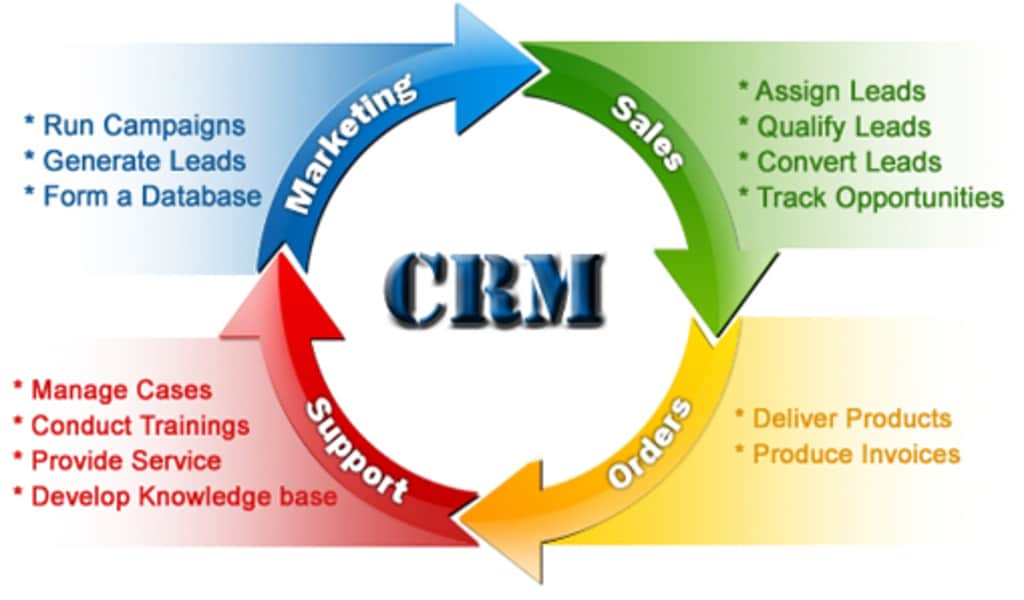
Welcome, fellow small accounting firm owners! In today’s digital age, having a Customer Relationship Management (CRM) system in place is crucial for managing client relationships effectively. However, with the myriad of options available, it can be overwhelming to choose the right CRM software for your firm. Fear not, as we delve into optimizing CRM for small accounting firms to help streamline your operations and enhance customer service. Let’s explore how you can leverage CRM to propel your business to new heights!
Benefits of CRM for Small Accounting Firms
Customer Relationship Management (CRM) software has become a necessity for small accounting firms looking to streamline their processes and improve client relationships. With the right CRM system in place, these firms can enjoy numerous benefits that can help them grow and succeed in a competitive industry. Here are some key advantages of using CRM for small accounting firms:
1. Improved Client Management: One of the primary benefits of CRM for small accounting firms is improved client management. With a CRM system, firms can easily track and organize client information, communication history, and account details in one centralized location. This makes it easier for accountants to access client data quickly, respond to inquiries promptly, and provide personalized services to each client.
Moreover, CRM software can help small accounting firms track client interactions, such as emails, calls, and meetings, allowing them to provide better customer service. By having access to a comprehensive view of each client, accountants can tailor their services to meet specific needs and preferences, leading to higher client satisfaction and retention rates.
Additionally, CRM systems can automate repetitive tasks, such as sending reminders for upcoming deadlines, scheduling appointments, and generating reports. This not only saves time for accountants but also ensures that no important client communication or task falls through the cracks.
Overall, improved client management through CRM software can help small accounting firms build stronger relationships with their clients, increase client loyalty, and ultimately drive business growth.
Implementing CRM in a Small Accounting Firm
Implementing a Customer Relationship Management (CRM) system in a small accounting firm can greatly enhance the way the firm manages its clients, projects, and overall business operations. Despite the size of the firm, CRM software can be a valuable tool for improving productivity, increasing efficiency, and ultimately boosting profitability.
One of the first steps in implementing CRM in a small accounting firm is to choose the right software that aligns with the specific needs and requirements of the business. It is important to select a CRM solution that is user-friendly, customizable, and scalable to accommodate the firm’s growing client base. Additionally, the software should integrate seamlessly with the firm’s existing accounting systems and other software applications to ensure smooth operations.
After selecting the CRM software, the next step is to train the staff on how to effectively use the system. This training should cover the basic functionalities of the CRM software, as well as any customized features that have been implemented to meet the firm’s specific needs. It is essential to ensure that all employees are comfortable with using the CRM system to fully leverage its benefits.
Once the staff is trained and familiar with the CRM software, the firm can begin to input client information, project details, and other relevant data into the system. This data entry process is crucial for setting up a comprehensive database that will serve as a central repository for all client interactions, communications, and project-related information. By maintaining accurate and up-to-date records in the CRM system, the firm can improve its client relationships and enhance its service offerings.
Another key aspect of implementing CRM in a small accounting firm is to establish clear processes and protocols for using the system. This includes defining roles and responsibilities for managing client accounts, setting guidelines for communication with clients, and creating workflows for handling project tasks and deadlines. By formalizing these processes, the firm can ensure consistency in its operations and provide a high level of service to its clients.
Monitoring and evaluating the performance of the CRM system is also essential for ensuring its effectiveness in the firm. This involves regularly reviewing the data and reports generated by the CRM software to track client interactions, measure project progress, and identify areas for improvement. By analyzing this information, the firm can make informed decisions to optimize its processes and enhance its overall business operations.
In conclusion, implementing CRM in a small accounting firm can bring numerous benefits, including improved client relationships, increased efficiency, and enhanced productivity. By selecting the right software, providing adequate training, inputting relevant data, establishing clear processes, and monitoring system performance, the firm can effectively leverage CRM to drive growth and success in its business.
Choosing the Right CRM Software for Your Small Accounting Firm
When it comes to selecting a CRM software for your small accounting firm, there are several factors to consider to ensure that you are choosing the right one for your specific needs. From the size of your firm to your budget and the features you require, taking the time to research and compare different CRM options can help you make an informed decision that will benefit your business in the long run.
One of the first things to consider when choosing a CRM software for your small accounting firm is the size of your business. Some CRM systems are designed specifically for small businesses, while others are better suited for larger enterprises. It’s important to choose a system that can scale with your business as it grows, so you don’t have to switch to a new software later on.
Another important factor to consider is your budget. CRM software can range from free or low-cost options to more expensive, feature-rich systems. Consider how much you are willing to invest in a CRM solution and compare the costs of different options to find one that fits within your budget while still offering the features you need.
Furthermore, it’s essential to think about the specific features and functionalities that are important for your accounting firm. Do you need a CRM system that can integrate with your existing accounting software? Are there specific reporting or analytics tools that are crucial for your business operations? Make a list of the features that are must-haves for your firm and use this to guide your search for the right CRM software.
Additionally, consider the ease of use and user interface of the CRM software. A system that is difficult to navigate or confusing to use may not be beneficial for your team, as they may struggle to adopt and utilize the software effectively. Look for a CRM system with a user-friendly interface and features that can streamline your workflows and make it easier for your team to manage client relationships.
Lastly, don’t forget to research and read reviews from other small accounting firms who have used the CRM software you are considering. Hearing about their experiences and any challenges they faced can provide valuable insight into whether a particular CRM system is the right choice for your business.
Maximizing Efficiency with CRM in a Small Accounting Firm
Customer Relationship Management (CRM) software is a powerful tool that can drastically improve the efficiency of a small accounting firm. By implementing a CRM system, accountants can streamline their processes, manage client relationships more effectively, and ultimately increase their bottom line. Here are some ways in which CRM can help small accounting firms maximize their efficiency:
1. Centralized Data Management: One of the key benefits of CRM software is that it allows small accounting firms to centralize all of their client data in one place. This makes it easy for accountants to access important information quickly and efficiently, without having to sift through multiple spreadsheets or documents. By having all client data stored in a CRM system, accountants can easily track client interactions, view past transactions, and identify potential opportunities for upselling or cross-selling.
2. Automated Processes: CRM software can automate repetitive tasks such as sending out invoices, reminders, and follow-up emails. This frees up accountants to focus on more strategic activities, such as analyzing financial data, providing advisory services, and fostering client relationships. By automating these routine tasks, small accounting firms can save time and effort, and ensure that no important deadlines or client communications are missed.
3. Enhanced Communication: CRM software can also improve communication within a small accounting firm by providing a centralized platform for team members to collaborate and share information. Team members can use the CRM system to assign tasks, track progress, and communicate with each other in real-time. This can help to streamline workflows, reduce miscommunications, and ensure that everyone is on the same page when it comes to client accounts and projects.
4. Customizable Reporting and Analytics: Another important feature of CRM software is its ability to generate customizable reports and analytics. Small accounting firms can use these reports to track key performance indicators, monitor client profitability, and identify trends or patterns in their business. By analyzing this data, accountants can make more informed decisions, optimize their processes, and identify opportunities for growth. Additionally, CRM software can integrate with other accounting tools, such as QuickBooks or Xero, to provide a comprehensive view of the firm’s financial health.
In conclusion, CRM software is a valuable tool for small accounting firms looking to maximize their efficiency. By centralizing data management, automating processes, enhancing communication, and leveraging customizable reporting and analytics, accountants can streamline their operations, improve client relationships, and ultimately increase their profitability. With the right CRM system in place, small accounting firms can stay organized, productive, and competitive in today’s fast-paced business environment.
Overcoming Challenges in CRM Adoption for Small Accounting Firms
Implementing a Customer Relationship Management (CRM) system can greatly benefit small accounting firms by helping them better manage client relationships, improve communication, and streamline workflow processes. However, the adoption of CRM software can come with its own set of challenges for smaller firms. Here are some common hurdles that small accounting firms may face when implementing a CRM system, along with strategies to overcome them.
1. Limited Resources: One of the main challenges that small accounting firms face when adopting a CRM system is having limited resources, both in terms of budget and manpower. Many small firms may not have the financial resources to invest in expensive CRM software or the IT expertise to implement and maintain the system.
To overcome this challenge, small accounting firms can consider using cloud-based CRM solutions that offer affordable subscription plans and require minimal IT support. Additionally, firms can leverage free CRM tools or open-source software to get started with CRM without breaking the bank.
2. Resistance to Change: Another common challenge in CRM adoption for small accounting firms is resistance to change among staff members. Some employees may be hesitant to embrace new technology or may feel overwhelmed by the prospect of learning how to use a CRM system.
To address this challenge, small accounting firms can involve staff members in the decision-making process and provide training and support to help them adapt to the new CRM system. By highlighting the benefits of CRM software and demonstrating how it can improve efficiency and client relationships, firms can help employees see the value in adopting CRM technology.
3. Data Quality Issues: Maintaining accurate and up-to-date client data is essential for the success of a CRM system. However, small accounting firms may struggle with data quality issues, such as duplicate or incomplete records, outdated contact information, and inconsistent data entry practices.
To overcome data quality challenges, small accounting firms can establish data management policies and procedures to ensure that all client information is entered correctly and updated regularly. Firms can also use automated data validation tools and CRM features such as data deduplication and data enrichment to improve the quality of their client database.
4. Integration with Existing Systems: Small accounting firms may already be using various software applications for invoicing, payroll, time tracking, and other accounting functions. Integrating a new CRM system with existing software can present challenges in terms of compatibility, data migration, and workflow integration.
To address integration challenges, small accounting firms can choose a CRM solution that offers seamless integration with popular accounting software systems or use middleware platforms to facilitate data transfer between different applications. Firms can also work with CRM vendors or consultants to customize the integration process and ensure that all systems work together effectively.
5. Lack of Proper Training and Support: One of the key challenges in CRM adoption for small accounting firms is the lack of proper training and technical support. Without adequate training, employees may struggle to use the CRM system effectively, leading to underutilization of the software and reduced ROI.
To overcome this challenge, small accounting firms should invest in comprehensive training programs for staff members to ensure that they have the skills and knowledge to effectively use the CRM system. Firms can also provide ongoing technical support and resources, such as user manuals, online tutorials, and help desks, to assist employees with any questions or issues that arise during CRM implementation.
Originally posted 2025-03-12 07:00:00.