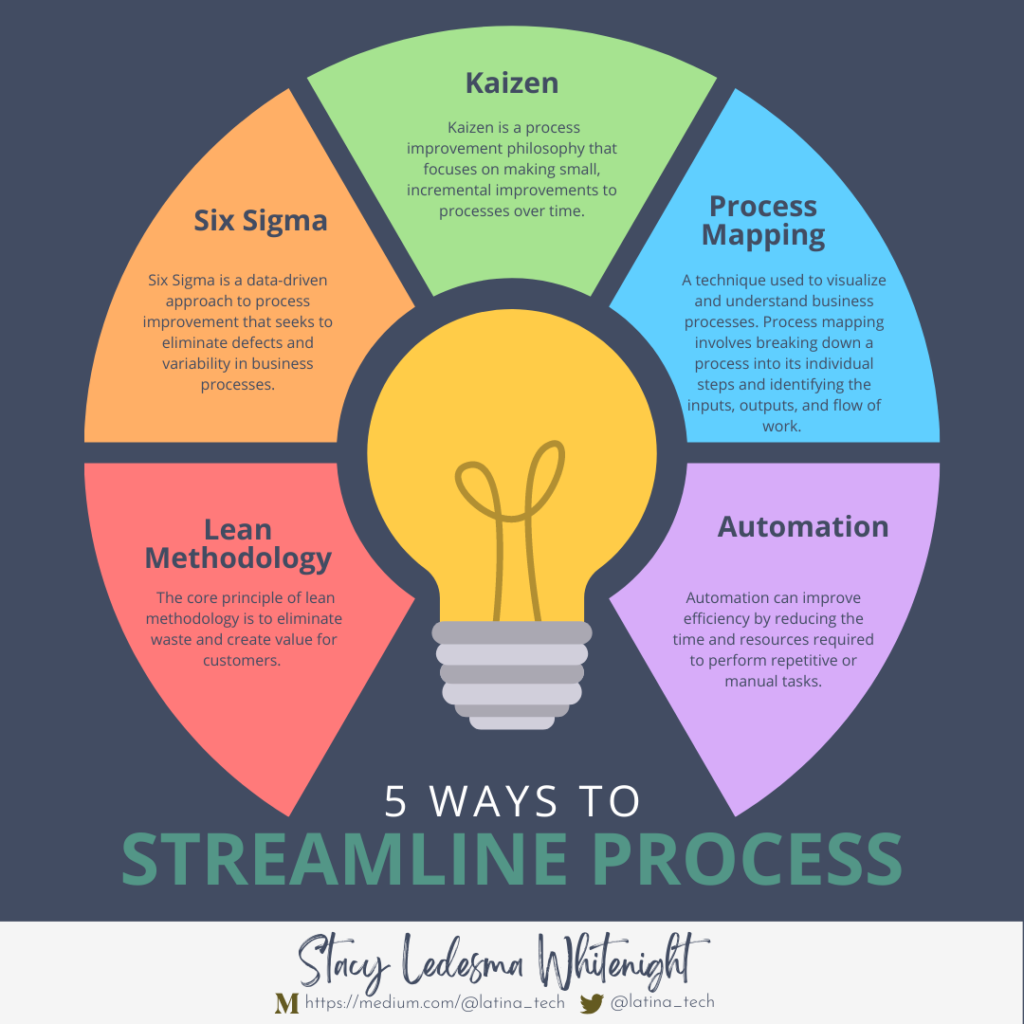
Welcome to a world where customer relationship management (CRM) and accounting software work hand in hand to make your business operations more streamlined and efficient. The benefits of integrating CRM with accounting software are numerous, from improved customer insights to better financial management. By combining these two powerful tools, businesses can enhance their overall performance and provide a seamless experience for both customers and employees.
Integration Benefits of CRM and Accounting Software
Integrating CRM (Customer Relationship Management) software with accounting software can provide numerous benefits for businesses. By combining these two essential tools, companies can streamline their operations, improve efficiency, and enhance customer relationships.
One of the key benefits of integrating CRM and accounting software is improved data accuracy. When both systems are connected, data is automatically synced between them, eliminating the need for manual data entry. This helps reduce errors and ensures that companies have access to real-time, up-to-date information. For example, when a customer makes a purchase, the data is automatically updated in both the CRM and accounting systems, providing a complete view of the customer’s interactions and financial transactions.
Another advantage of integrating CRM and accounting software is increased productivity. With both systems working together, employees can access all the information they need in one place, without having to switch between multiple applications. This saves time and allows employees to focus on more strategic tasks, rather than spending hours on manual data entry and reconciliation.
Furthermore, integrating CRM and accounting software can help improve customer relationships. By having a comprehensive view of customer interactions and financial history in one system, businesses can better understand their customers’ needs and preferences. This enables companies to personalize their interactions, provide better customer service, and ultimately build stronger relationships with their clients.
Additionally, integrating CRM and accounting software can lead to better financial management. By consolidating customer data and financial information in one system, companies can gain insights into their sales and financial performance. This allows businesses to make more informed decisions, identify trends, and optimize their operations for increased profitability.
Overall, integrating CRM and accounting software can bring numerous benefits for businesses, including improved data accuracy, increased productivity, better customer relationships, and enhanced financial management. By combining these two essential tools, companies can streamline their operations and drive growth in today’s competitive business landscape.
Streamlining Business Processes with CRM and Accounting Software
Integrating CRM and accounting software into your business operations can significantly streamline processes and enhance productivity. By combining these two powerful tools, you can effectively manage customer relationships, track financial transactions, and improve overall efficiency. Let’s take a closer look at how CRM and accounting software can help streamline your business processes.
One of the key benefits of using CRM software is the ability to centralize customer data and interactions in one place. This allows your team to access important information quickly and easily, leading to better communication and customer service. With CRM software, you can track customer interactions, monitor sales activities, and analyze customer behavior to tailor your marketing efforts and improve customer retention.
When you integrate accounting software with your CRM system, you can also gain a more comprehensive view of your business operations. By combining financial data with customer information, you can better track sales performance, forecast revenue, and make data-driven decisions. Additionally, integrating accounting software with CRM can automate key financial processes such as invoicing, payment processing, and expense tracking, reducing manual tasks and potential errors.
Furthermore, integrating CRM and accounting software can improve collaboration and communication between different departments within your organization. With both sales and finance teams working from the same platform, information sharing becomes seamless, leading to better coordination and alignment of business goals. This cross-departmental visibility can help identify potential bottlenecks, streamline workflows, and improve overall business efficiency.
Another important aspect of integrating CRM and accounting software is the ability to generate comprehensive reports and insights. By consolidating customer data and financial information, you can create custom reports that provide valuable insights into key metrics such as customer acquisition costs, sales trends, and revenue forecasts. These reports can help you identify opportunities for growth, optimize business processes, and make strategic decisions that drive business success.
In conclusion, integrating CRM and accounting software into your business operations can offer numerous benefits, such as centralizing customer data, improving communication, automating financial processes, enhancing collaboration, and generating valuable insights. By leveraging the power of these two tools together, you can streamline your business processes, increase productivity, and drive business growth. So why wait? Start integrating CRM and accounting software into your business today and experience the transformative impact it can have on your operations.
Enhanced Financial Visibility with CRM and Accounting Software
When it comes to running a successful business, having a clear understanding of your financial situation is crucial. By integrating CRM (Customer Relationship Management) software with accounting software, businesses can achieve enhanced financial visibility that allows for better decision-making and improved financial management.
One of the key benefits of using CRM and accounting software together is the ability to track all financial transactions within the CRM system. This means that every time a customer makes a purchase or a payment, the information is automatically updated in the accounting software, providing real-time insight into the company’s financial health.
Moreover, integrating CRM and accounting software allows for more accurate forecasting and budgeting. By having access to detailed financial data in one centralized system, businesses can more easily analyze trends, identify potential risks, and make informed decisions about their financial future.
Another advantage of enhanced financial visibility with CRM and accounting software is improved cash flow management. With real-time access to financial data, businesses can better monitor their cash flow, identify areas where expenses can be reduced, and ensure that invoices are paid on time to maintain a healthy cash flow.
Furthermore, by integrating CRM and accounting software, businesses can streamline their financial processes and eliminate manual data entry errors. This not only saves time and reduces the risk of human error, but it also ensures that financial data is accurate and up-to-date, providing a more reliable foundation for financial decision-making.
In conclusion, by integrating CRM with accounting software, businesses can achieve enhanced financial visibility that leads to better decision-making, improved financial management, and overall business success. With real-time access to financial data, accurate forecasting, and streamlined financial processes, businesses can gain a competitive edge in today’s fast-paced business environment.
Improving Customer Relationships through CRM and Accounting Software
Customer relationship management (CRM) and accounting software are essential tools for businesses looking to enhance their customer relationships and streamline their financial processes. By integrating these two systems, businesses can gain a comprehensive view of their customers, improve communication, and provide better service. Here are some ways in which CRM and accounting software can work together to enhance customer relationships:
1. Centralized customer data: One of the key benefits of using CRM and accounting software together is the ability to centralize customer data. This means that all customer information, including contact details, purchase history, and payment details, is stored in one place. This centralized data allows businesses to have a 360-degree view of their customers, enabling them to tailor their marketing efforts and provide personalized service. For example, if a customer has an outstanding invoice, the sales team can prioritize follow-up calls to ensure timely payment.
2. Improved communication: CRM software allows businesses to track all interactions with customers, including emails, phone calls, and meetings. By integrating this data with the accounting software, businesses can ensure that all communications are logged and easily accessible. This can help avoid duplication of effort and ensure that all customer queries are addressed promptly. Additionally, businesses can set up automated reminders for invoice payment or follow-up calls, improving communication and reducing the risk of missed opportunities.
3. Better customer service: With CRM and accounting software working together, businesses can provide better customer service by streamlining processes and reducing manual tasks. For example, when a customer makes a purchase, the accounting software can automatically generate an invoice, send it to the customer, and update the sales team on the transaction. This automation not only saves time but also ensures that all customer interactions are recorded accurately, leading to a more efficient and effective customer service experience.
4. Enhanced customer insights: By combining CRM and accounting data, businesses can gain valuable insights into customer behavior and preferences. For example, by analyzing sales data alongside customer feedback, businesses can identify trends and patterns that can help them tailor their products and services to better meet customer needs. This deeper understanding of customers can lead to more targeted marketing campaigns, increased customer loyalty, and ultimately, higher revenue.
In conclusion, integrating CRM and accounting software can have a significant impact on improving customer relationships and streamlining business processes. By centralizing customer data, improving communication, providing better service, and gaining enhanced customer insights, businesses can create a more personalized and engaging experience for their customers. Ultimately, this can lead to increased customer satisfaction, loyalty, and retention, helping businesses grow and succeed in today’s competitive market.
Leveraging Data Analytics with CRM and Accounting Software
Data analytics is a powerful tool that can revolutionize the way businesses operate by providing valuable insights and trends from the vast amounts of data they collect. When applied to CRM and accounting software, data analytics can help companies make informed decisions, streamline processes, and improve overall efficiency. Let’s dive into how businesses can leverage data analytics with their CRM and accounting software:
1. Improved Customer Insights: By combining CRM data with data analytics tools, businesses can gain a deeper understanding of their customers. Through analyzing customer behavior, preferences, and interactions, companies can tailor their marketing strategies, improve customer service, and ultimately increase customer satisfaction and retention rates.
2. Enhanced Financial Analysis: Accounting software already provides businesses with the ability to track and manage their financial data. However, when paired with data analytics capabilities, companies can gain deeper insights into their financial performance. By analyzing trends, identifying cost-saving opportunities, and predicting future outcomes, businesses can optimize their financial processes and drive profitability.
3. Streamlined Operations: By integrating data analytics into CRM and accounting software, businesses can streamline their operations and improve overall efficiency. Through automated reporting, predictive analytics, and real-time insights, companies can identify bottlenecks, optimize processes, and make data-driven decisions that drive business growth.
4. Personalized Marketing Campaigns: Data analytics can help businesses create more personalized and targeted marketing campaigns. By analyzing customer data and behavior, companies can segment their target audience, personalize messaging, and deliver campaigns that are more relevant and engaging. This can lead to higher conversion rates and improved ROI on marketing efforts.
5. Fraud Detection and Risk Management: One of the critical benefits of leveraging data analytics with CRM and accounting software is the ability to detect and prevent fraud. By analyzing transaction data, identifying anomalies, and setting up alerts for suspicious activity, businesses can proactively manage risks and protect their assets. Additionally, data analytics can help in monitoring compliance with regulations and mitigating potential legal issues.
Originally posted 2025-03-12 09:00:00.