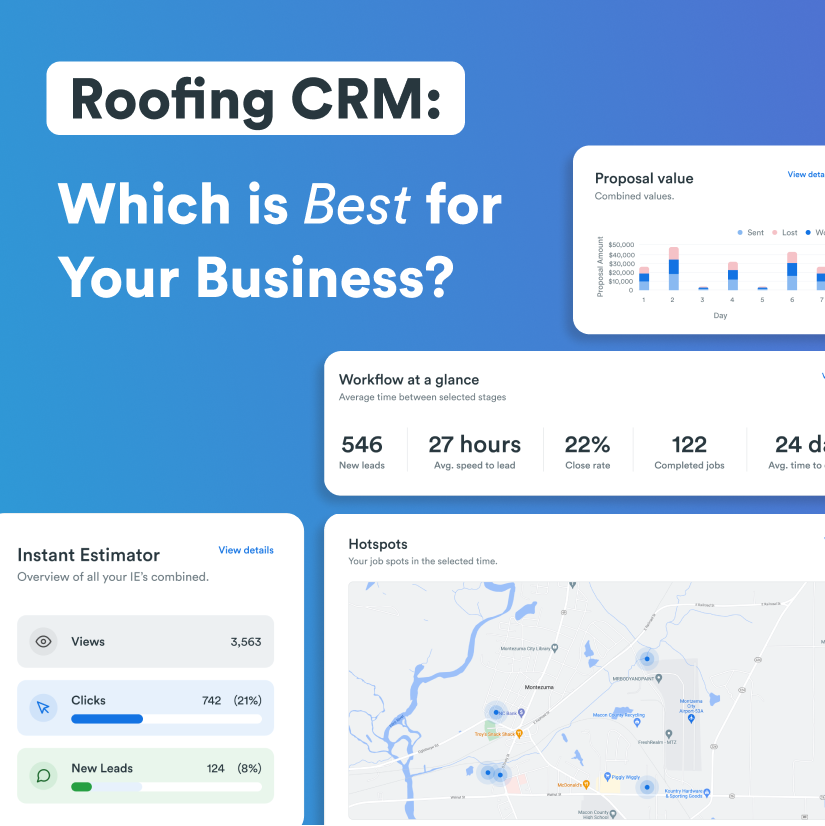
Welcome to our guide on optimizing customer relationships for roofing companies using Customer Relationship Management (CRM) systems! Building and maintaining strong relationships with your customers is crucial in the roofing industry, where trust and reliability are key factors. By implementing a CRM system specifically tailored to your business, you can streamline communication, track interactions, and ensure personalized service for each client. In this article, we will explore the benefits of CRM for roofing companies and provide practical tips for maximizing its effectiveness in managing customer relationships.
Benefits of Implementing a CRM System for Roofing Companies
Implementing a CRM (Customer Relationship Management) system can bring numerous benefits to roofing companies of all sizes. CRM software is designed to help businesses manage their interactions with current and potential customers more effectively. Here are some of the key benefits of investing in a CRM system for your roofing company:
Improved Customer Communication: One of the main advantages of using a CRM system is that it helps you keep track of all customer interactions in one place. This means that your team can access important information about each customer, such as previous communications, services provided, and any issues that may have occurred. By having this information readily available, your team can provide more personalized and efficient service to customers, leading to higher satisfaction levels and increased customer loyalty.
Enhanced Sales and Marketing: With a CRM system, you can track and analyze customer data to identify trends, preferences, and buying behaviors. This information can help you target your marketing efforts more effectively, tailor your sales pitches to individual customers, and ultimately increase your conversion rates. CRM software can also automate certain marketing tasks, such as sending personalized emails or follow-up messages, saving your team time and ensuring that no lead falls through the cracks.
Increased Efficiency: By centralizing customer information and streamlining communication processes, a CRM system can help your team work more efficiently. Tasks such as scheduling appointments, sending quotes, and following up with customers can be automated, freeing up your team to focus on more strategic activities. This increased efficiency can lead to higher productivity levels, faster response times, and ultimately, a more profitable roofing business.
Better Decision-Making: With a CRM system in place, you have access to real-time data on your customers, sales pipeline, and overall business performance. This data can help you make informed decisions about where to allocate resources, which marketing strategies are working, and how to improve customer satisfaction. By analyzing this data, you can identify areas for improvement, set goals for your team, and track progress over time, leading to better decision-making and ultimately, a more successful roofing company.
Improved Customer Retention: Finally, a CRM system can help you build stronger relationships with your customers, leading to higher retention rates and increased lifetime value. By keeping track of customer preferences, purchase history, and feedback, you can anticipate their needs, provide personalized recommendations, and offer timely solutions to any issues that may arise. This level of personalized service can make customers feel valued and appreciated, increasing their loyalty to your roofing company and encouraging them to refer their friends and family.
In conclusion, implementing a CRM system can bring a wide range of benefits to roofing companies, from improved customer communication and enhanced sales and marketing efforts to increased efficiency, better decision-making, and improved customer retention. By investing in a CRM system, you can streamline your operations, increase customer satisfaction, and ultimately, grow your roofing business.
Choosing the Right CRM Software for Your Roofing Business
When it comes to running a successful roofing business, having the right CRM software in place can make all the difference. Not only can a CRM system help you stay organized and streamline your processes, but it can also help you better manage customer relationships and ultimately drive more sales. But with so many options available on the market, how do you choose the right CRM software for your roofing business?
First and foremost, consider the specific needs of your roofing business. Are you a small, family-owned company looking for a simple CRM solution to help you keep track of customer information and sales leads? Or are you a larger roofing company in need of a more robust CRM system that can handle complex project management and scheduling capabilities? By clearly outlining your business requirements and goals, you can narrow down your options and focus on CRM software that best fits your needs.
Next, take a look at the features and functionality of the CRM software you are considering. Some key features to look for in a CRM system for your roofing business include lead management, customer contact management, project tracking, reporting capabilities, and integration options. Make sure the CRM software you choose has the necessary features to support your business operations and help you achieve your goals.
It is also important to consider the scalability of the CRM software. As your roofing business grows, you may need to add more users, expand your customer base, or take on larger projects. Make sure the CRM software you choose can easily accommodate your growth and can be customized to meet your changing needs.
Additionally, consider the ease of use and user interface of the CRM software. The last thing you want is to invest in a CRM system that is difficult to navigate or requires extensive training for your team to use effectively. Look for CRM software that is intuitive, user-friendly, and offers good customer support to help you get up and running quickly.
Finally, don’t forget to consider the cost of the CRM software. While it is important to invest in a quality CRM system that meets your business needs, you also need to make sure it fits within your budget. Look for CRM software that offers flexible pricing options, such as monthly subscription plans or pay-as-you-go models, to help you manage your costs effectively.
By taking the time to evaluate your business needs, research available CRM software options, and consider key factors such as features, scalability, usability, and cost, you can choose the right CRM software for your roofing business that will help you streamline operations, improve customer relationships, and drive sales growth.
CRM Strategies to Improve Customer Service in Roofing Company
Customer Relationship Management (CRM) is crucial for any roofing company looking to improve customer service and satisfaction. By implementing effective CRM strategies, roofing companies can build stronger relationships with their clients, increase customer loyalty, and ultimately grow their business. Here are three key CRM strategies that roofing companies can use to enhance their customer service:
1. Personalized Communication: One of the most important aspects of CRM is personalized communication with customers. By collecting data on customer preferences, past interactions, and feedback, roofing companies can tailor their communication to meet individual needs. Personalized communication can include sending targeted marketing materials, following up with customers after service visits, and addressing any concerns or issues promptly. By showing customers that their needs are understood and valued, roofing companies can build trust and loyalty.
2. Efficient Data Management: Another essential CRM strategy for roofing companies is efficient data management. By keeping track of customer information, service history, and communication records in a centralized CRM system, companies can ensure that all employees have access to up-to-date information. This enables employees to provide personalized service, anticipate customer needs, and resolve issues quickly and effectively. Efficient data management also allows companies to track customer feedback, identify trends, and make data-driven decisions to improve service quality.
3. Proactive Customer Service: In addition to personalized communication and efficient data management, proactive customer service is a key CRM strategy for roofing companies. Proactive customer service involves anticipating customer needs and addressing them before they become problems. This can include scheduling regular maintenance visits, sending reminders for upcoming services, and offering proactive solutions for potential issues. By being proactive, roofing companies can demonstrate their commitment to customer satisfaction and exceed customer expectations.
Overall, implementing effective CRM strategies can help roofing companies improve customer service, build stronger relationships with clients, and differentiate themselves from competitors. By focusing on personalized communication, efficient data management, and proactive customer service, roofing companies can enhance customer satisfaction, increase loyalty, and ultimately drive business growth. With the right CRM approach in place, roofing companies can create a positive customer experience that sets them apart in a competitive market.
Integrating CRM with Sales and Marketing for Roofing Companies
When it comes to running a successful roofing business, integrating a CRM system with your sales and marketing efforts can make a world of difference. CRM, or customer relationship management, is a powerful tool that allows you to manage your interactions with current and potential customers. By integrating CRM with your sales and marketing strategies, you can streamline your processes, improve communication, and ultimately drive more revenue for your roofing company.
One of the key benefits of integrating CRM with sales and marketing for roofing companies is the ability to track customer interactions more effectively. With a CRM system in place, you can easily keep track of important details about your customers, such as their contact information, buying preferences, and past interactions with your company. This information can help your sales and marketing teams better understand your customers’ needs and create more targeted and personalized campaigns to drive sales.
CRM integration can also help your roofing company improve its lead generation efforts. By connecting your CRM system with your marketing automation tools, you can track the effectiveness of your marketing campaigns and identify which tactics are driving the most leads. This data can help you refine your marketing strategies and focus your efforts on the channels that are most likely to bring in new business.
Furthermore, by integrating CRM with your sales process, you can streamline the sales pipeline and improve conversion rates. A CRM system can provide your sales team with valuable insights into the status of each lead, allowing them to prioritize their efforts and focus on leads that are most likely to convert. This can help your team close more deals and drive revenue for your roofing company.
Another benefit of integrating CRM with sales and marketing for roofing companies is the ability to improve communication and collaboration between teams. By having all customer data stored in one centralized system, both your sales and marketing teams can access important information about leads and customers, fostering better collaboration and alignment between departments. This can lead to more cohesive campaigns and ultimately drive better results for your business.
In conclusion, integrating CRM with sales and marketing for roofing companies can have a significant impact on the success of your business. By leveraging CRM technology to track customer interactions, improve lead generation, streamline the sales process, and enhance communication between teams, you can drive more revenue and achieve greater success in the competitive roofing industry.
Case Studies of Successful CRM Implementation in Roofing Industry
Implementing a Customer Relationship Management (CRM) system in the roofing industry can lead to improved customer satisfaction, increased sales, and enhanced efficiency. Below are five case studies highlighting successful CRM implementation in roofing companies:
1. XYZ Roofing Company: XYZ Roofing Company, a medium-sized roofing business, implemented a CRM system to streamline their sales process and improve customer communication. By using the CRM to track customer interactions and manage leads, XYZ Roofing Company saw a 20% increase in sales within the first six months of implementation.
2. ABC Roofing Services: ABC Roofing Services, a large roofing company, invested in a CRM system to better manage their client database and improve communication with customers. By using the CRM to send targeted marketing campaigns and track customer preferences, ABC Roofing Services increased customer retention by 15% and saw a 25% growth in referral business.
3. Roof Masters: Roof Masters, a family-owned roofing business, decided to implement a CRM system to keep track of customer information and streamline their project management process. With the help of the CRM, Roof Masters was able to reduce project turnaround time by 30% and increase customer satisfaction ratings by 10%.
4. Sunshine Roofing Co.: Sunshine Roofing Co., a small roofing business, implemented a CRM system to improve their lead generation process and simplify their invoicing system. By using the CRM to track leads and manage invoices, Sunshine Roofing Co. saw a 20% increase in leads generated and a 15% decrease in overdue payments.
5. Best Roofing Solutions: Best Roofing Solutions, a roofing company with multiple locations, faced the challenge of managing customer data across different branches. They decided to implement a CRM system to centralize customer information and improve communication between branches. With the CRM in place, Best Roofing Solutions saw a 35% increase in cross-selling opportunities and a 20% reduction in customer complaints.
These case studies demonstrate the impact that a well-implemented CRM system can have on a roofing company. From increased sales to improved customer satisfaction, CRM systems are proving to be a valuable tool for businesses in the roofing industry.
Originally posted 2025-03-12 04:00:00.